The Discipline Behind Innovation: Turning Research into Real-World Energy Solutions
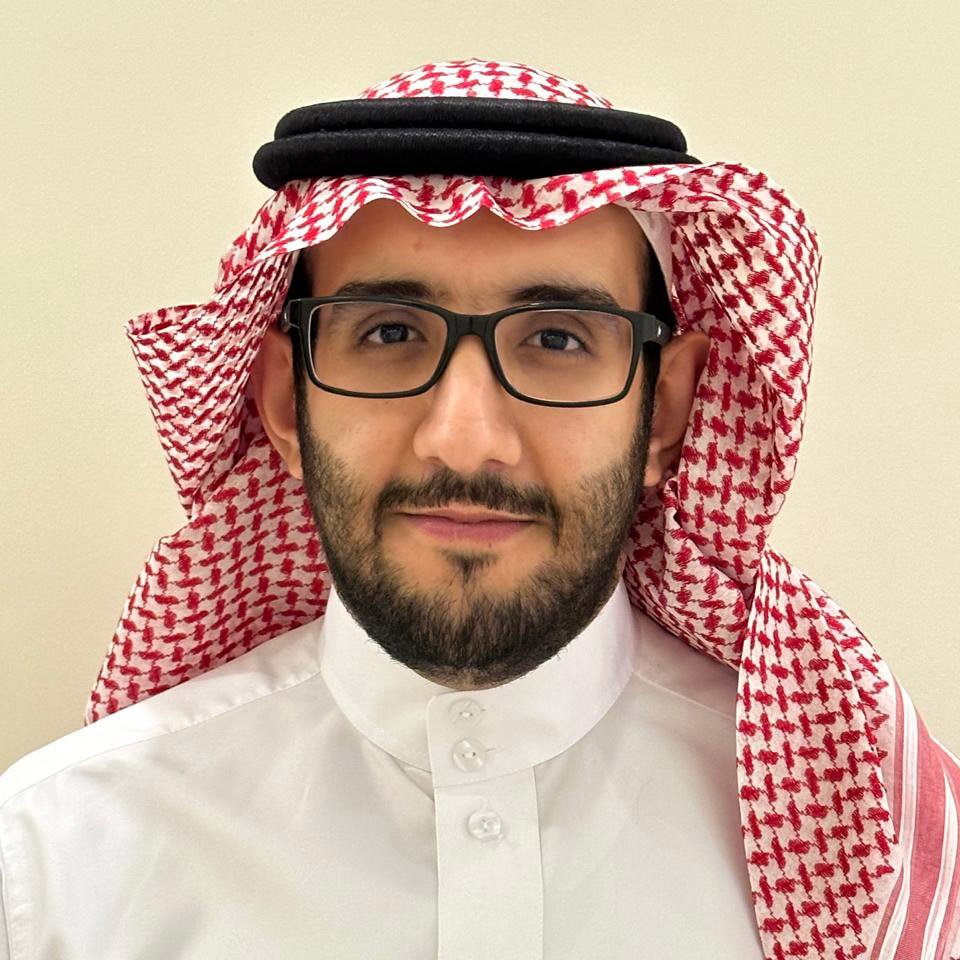
"Ahmed Alghamdi had already built a career in the petroleum industry before beginning his doctoral studies. At KFUPM, he developed the mindset needed to transform industry challenges into opportunities for innovation."
Dr. Ahmed Alghamdi
Petroleum Engineering
Years of hands-on work in petroleum engineering had shown Ahmed Alghamdi exactly where the field’s hardest problems sat. What he didn’t have yet, he felt, was the scientific grounding to actually solve them.
“My primary motivation was a desire to deepen my scientific knowledge and develop innovative solutions to real-world challenges in the energy sector,” he says. “I realized that combining industry experience with scientific research could lead to practical, sustainable solutions that create meaningful impact.”
That conviction led him to KFUPM, which offered a PhD program built around applied research. Balancing doctoral study with his ongoing professional responsibilities made for a demanding few years, and he credits the program’s structure with getting him through it: the emphasis on applied work, the chance to learn from world-class faculty, and access to advanced research facilities that let him take on problems the industry was actually facing.
His research centered on thermochemical fluids and their use in well stimulation and enhanced geothermal energy systems, a project that carried him from an initial hypothesis through laboratory testing toward findings with real field applications. Watching that arc play out, he says, was one of the most rewarding parts of his academic life.
None of it moved in a straight line. Ahmed learned early that success rarely comes from a first attempt; it comes from working diligently through unexpected outcomes, reassessing assumptions, and refining an experiment again and again until the results hold up. Turning scientific theory and mathematical models into that kind of rigorous, iterative testing became one of the most useful skills he took from the program, and it still defines the way he approaches technical problems today.
The degree also reshaped his professional standing, giving him the depth to operate as a subject matter expert and sharpening his ability to lead technical initiatives, evaluate emerging technologies, and make decisions grounded in evidence. Combined with his industry background, that expertise now lets him move easily between operational needs and scientific research. He sees it as a genuine edge in a competitive job market: the ability to weigh a problem from multiple angles, communicate effectively across disciplines, and contribute to innovation with confidence.
His advice to prospective PhD students draws on those same years of working full-time while pursuing the degree. A doctorate, he says, shouldn’t be treated as just an academic credential; it’s a long journey that tests patience, resolve, and commitment in equal measure, one where experiments fail and progress stalls more often than not. That’s exactly why the choice of topic matters. “Choose a research topic that addresses a genuine challenge you truly care about,” he says. “Aligning my research with my professional field and my desire to develop solutions with real-world applications was one of the key factors that kept me motivated throughout the journey.”
What began as industry experience, in the end, became the foundation for scientific inquiry, and what began as inquiry became a set of tools Ahmed now carries back into the field, helping him lead with confidence and intent.
You May Also Like View All
- Choosing the Challenging Path as a Student Abdulrahman Aldaej Mechanical Engineering
- Student to Scholar: From Learning Mathematics to Creating It Dr. Rabab Altwijri Mathematics
- Building Code, Confidence, and Community Faris Alshahrany computer science