Oct 08, 2026
GSR 2026 Connects Students Through Research and Innovation
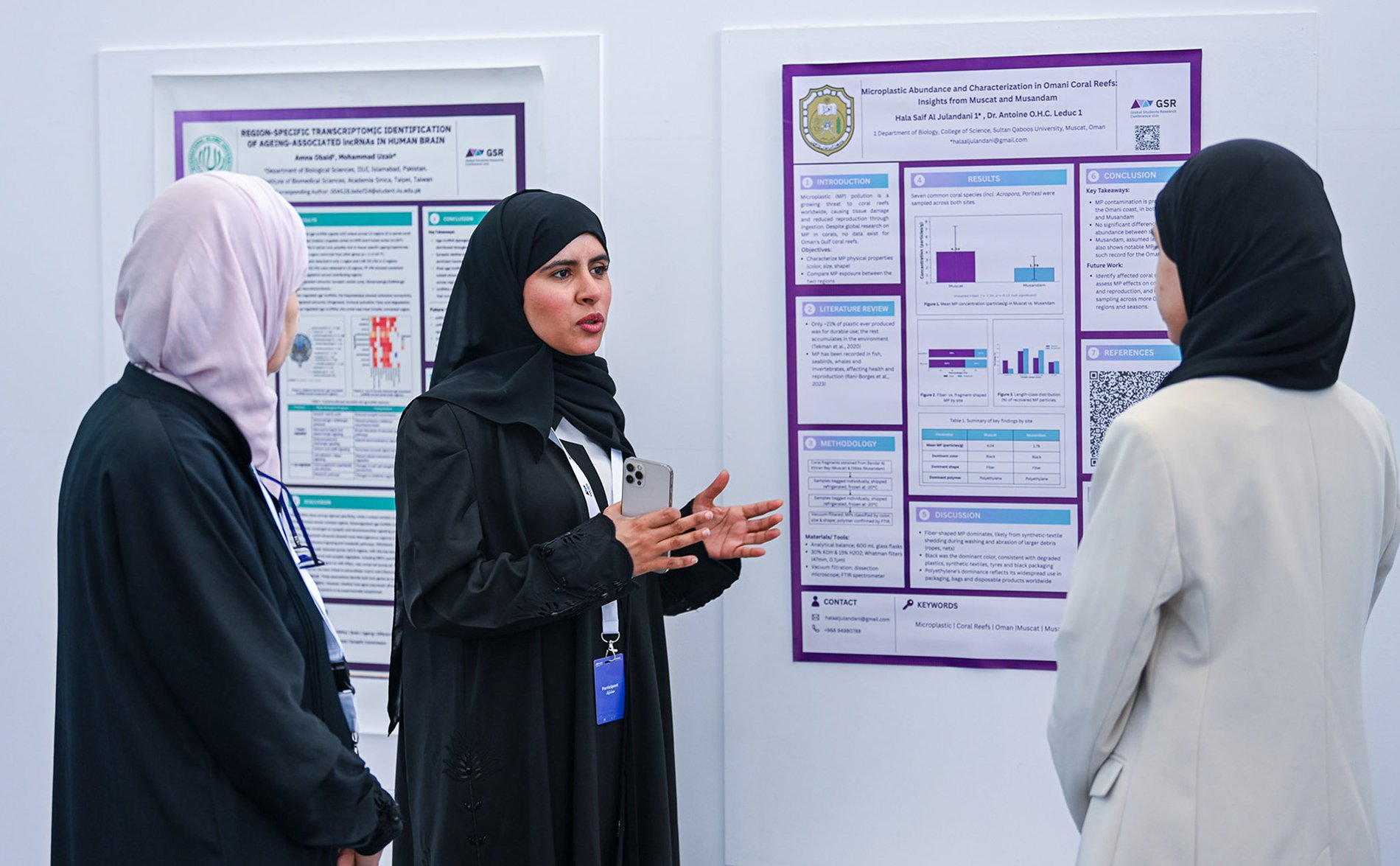
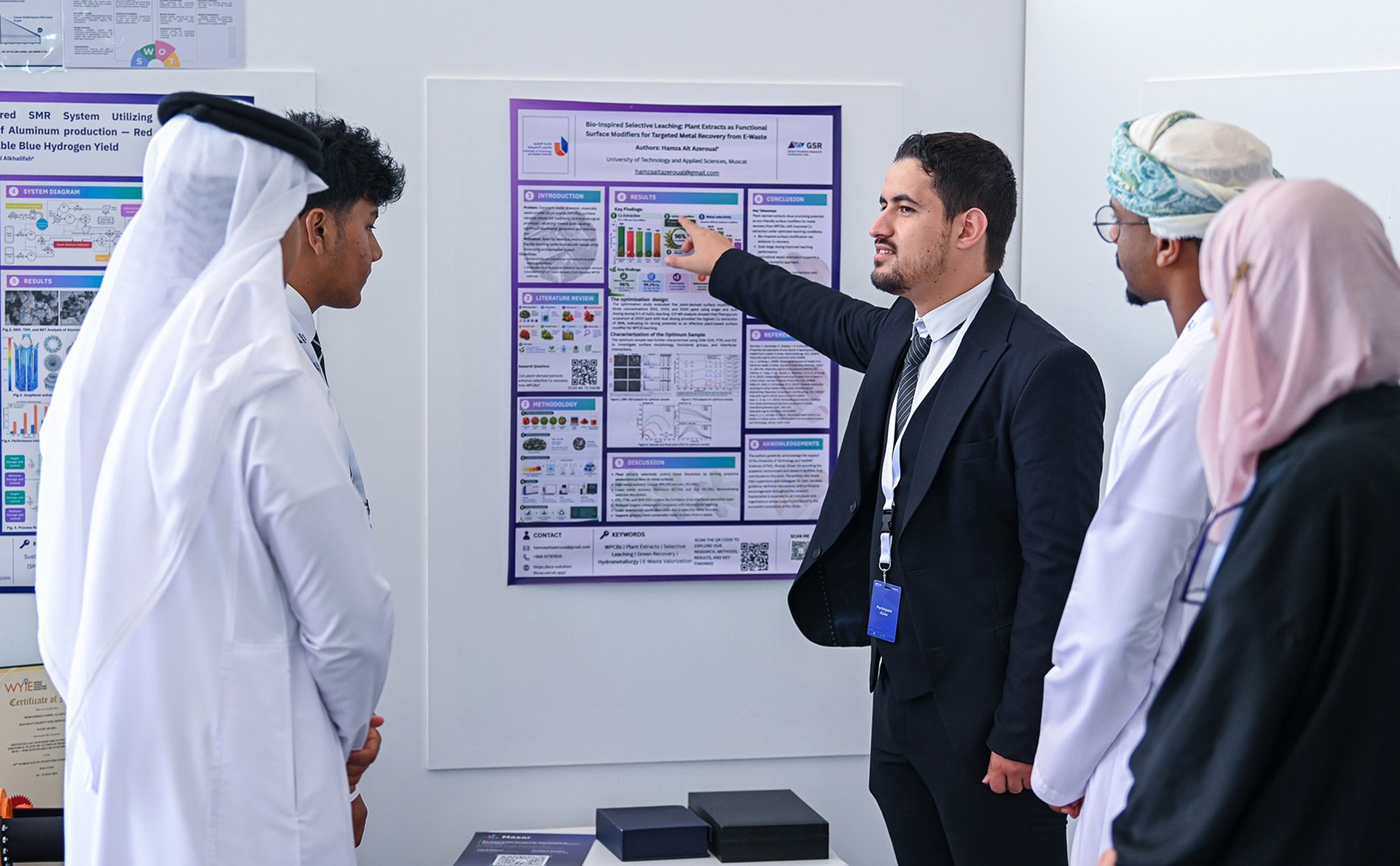
The Global Students Research (GSR 2026) Conference brought together 2,500 students, researchers, industry professionals, and innovation leaders at KFUPM on October 3–5, 2026. Organized by KFUPM Student Affairs, the conference provided opportunities for research exchange, learning, and collaboration through a hackathon, workshops, panel discussions, keynote sessions, student research competitions, and an interactive exhibition.
GSR 2026 received 280 research submissions from researchers representing 14 countries. Following the scientific review and selection process, the final confirmation list included 66 poster presentations and 10 oral presentations, delivered by a total of 115 researchers and presenters.
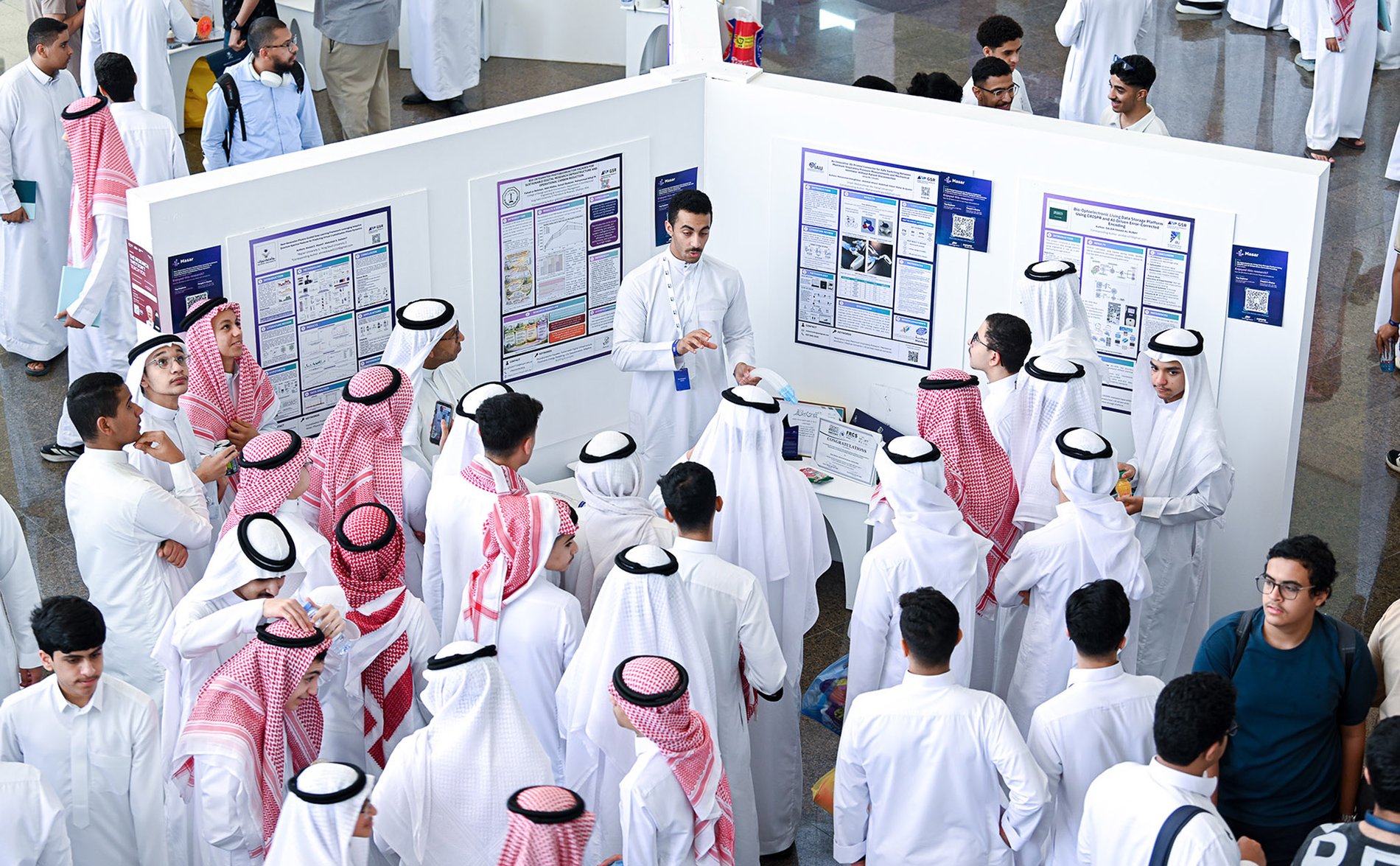
The research contributions were organized under four themes: Chemistry & Bio-Engineering Sciences, Computer & Smart Systems, Physical & Engineering Systems, and Smart Logistics. They covered fields including artificial intelligence, cybersecurity, healthcare, biotechnology, sustainability, energy, engineering, and smart systems. The scientific program enabled students and young researchers to present their work, exchange knowledge, receive expert feedback, and showcase innovative solutions.
The Best Oral Presentation Award went to Integrated Digital Forensic Validation and Intelligent Triage, presented by Arwa Alomar, Ghaida Alqahtani, Haya Alharbi, Salha Alminhali, Layan Alrowaily, and Norah Almubairik from Imam Abdulrahman Bin Faisal University. The Best Poster Award went to Photovoltaic Powered SMR System Utilizing Industrial Waste of Aluminum Production, Red Mud, for Sustainable Blue Hydrogen Yield, presented by Mohammed Alaqnam and Ali Alkhalifah from KFUPM.
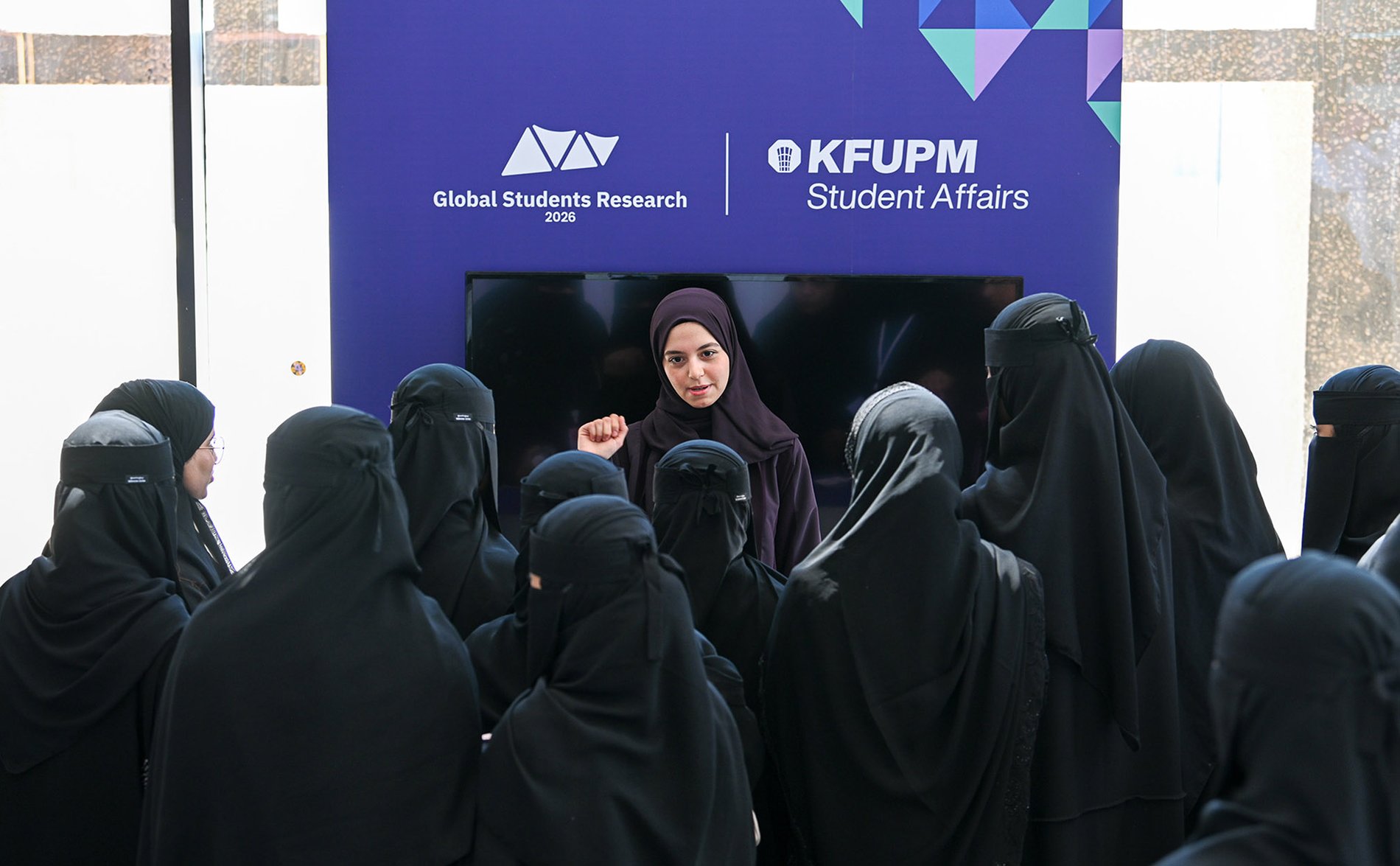
A major highlight of the conference was the GSR Hackathon, where students tackled real industry challenges provided by subject-matter experts and companies in their respective fields. More than 1,000 registrations from nine countries were received for seven real-world challenges across the Energy and Sustainable Agriculture tracks. Following a previous online phase, 23 teams comprising 96 participants qualified for the in-person final at GSR, where 17 teams competed in the final judging. The National Research and Development Center for Sustainable Agriculture (Estidamah) served as the hackathon’s Official Partner and owner of the Sustainable Agriculture track, with Hader as owner of the Energy track.
The winning teams included Sundria, which secured first place in the Energy Track with Ghala Meteb Alnofaiee, Nisreen Mazen Shuaireya, and Muhannad Adel Alamer; AUBH Team, which took second place with Noor Hussin AlAbdrabalnabi, Zain Ageel Mayoof, Zainab Alnaser, Hamza Alkhaldi, and Hana Wahban; Nabtaro, which won first place in the Sustainable Agriculture Track with Nora Mohammed AlGhamdi, Rasha AlSabouni, and Randa AlHarbi; and LEAFERT, which secured second place with Hajer Mohammed Abbas, Indira Nor, Yara Alharbi, and Milha Alqahtani. Special awards went to GrowTeam for Best Innovation, Royan team for Best Presentation, TwinShield AI team for Most Promising Solution, and Sunlytics team for Best Technical Approach.
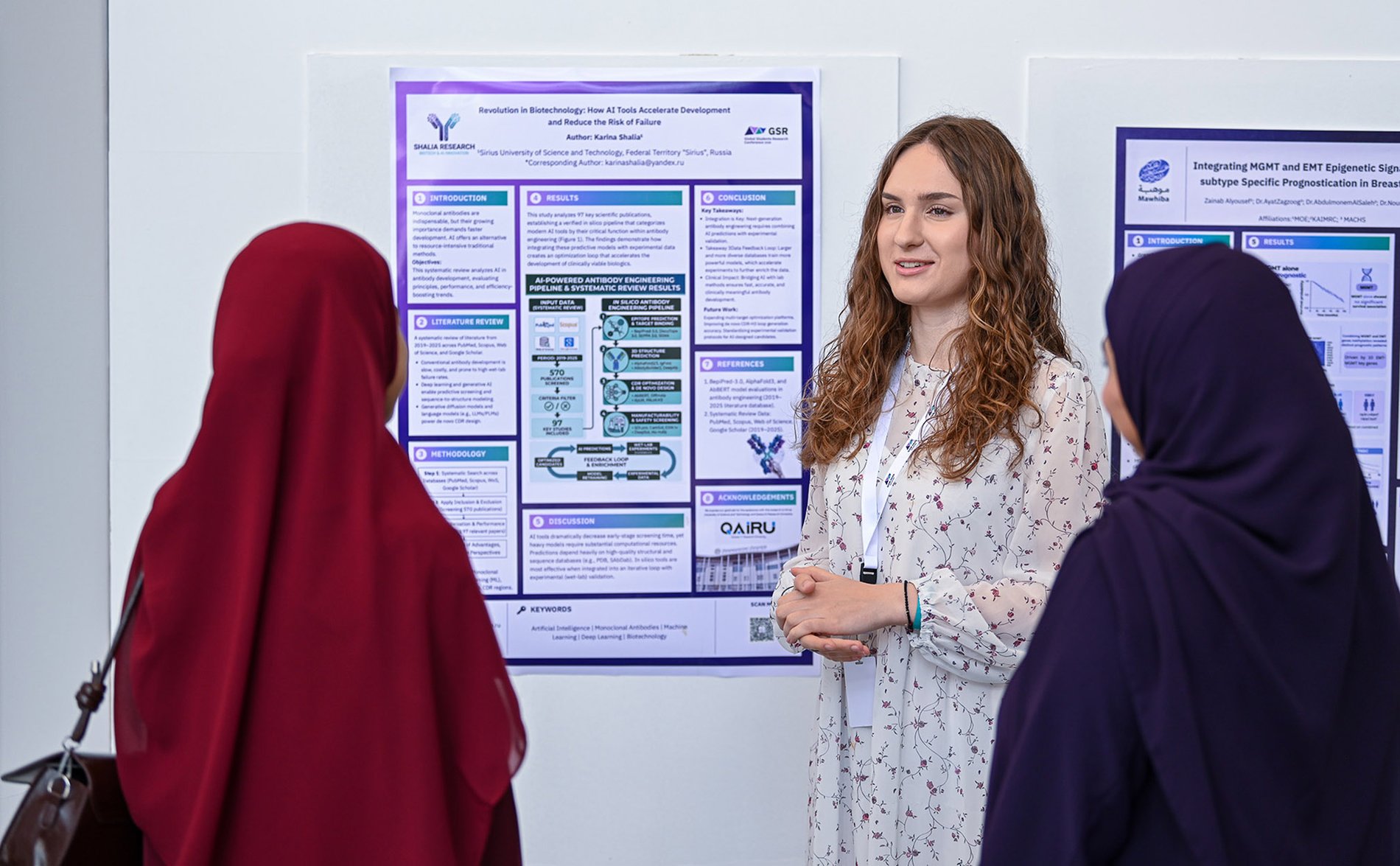
The conference also offered 10 workshops designed to help students develop practical skills in research, technology, innovation, and professional growth. Topics included data visualization, prototyping, artificial intelligence, cloud careers, generative artificial intelligence, and drone entrepreneurship. Through these sessions, participants gained insights into transforming ideas into practical solutions and future opportunities.
Throughout the three days, the GSR exhibition gave visitors hands-on encounters with student and researcher projects across eleven booths. Visitors flew drones using only their focus through a brain-computer interface project by Amirah AlQabbaa, and stepped into the daily challenges of people with disabilities in the Athar experience, from a color blindness simulation to navigating obstacles in a wheelchair. Other booths featured a VR interview simulation designed to reduce bias, AI games controlled by hand gestures, KFUPM's first satellite, and iGEM KFUPM's DNA origami approach to treating autoimmune diseases.
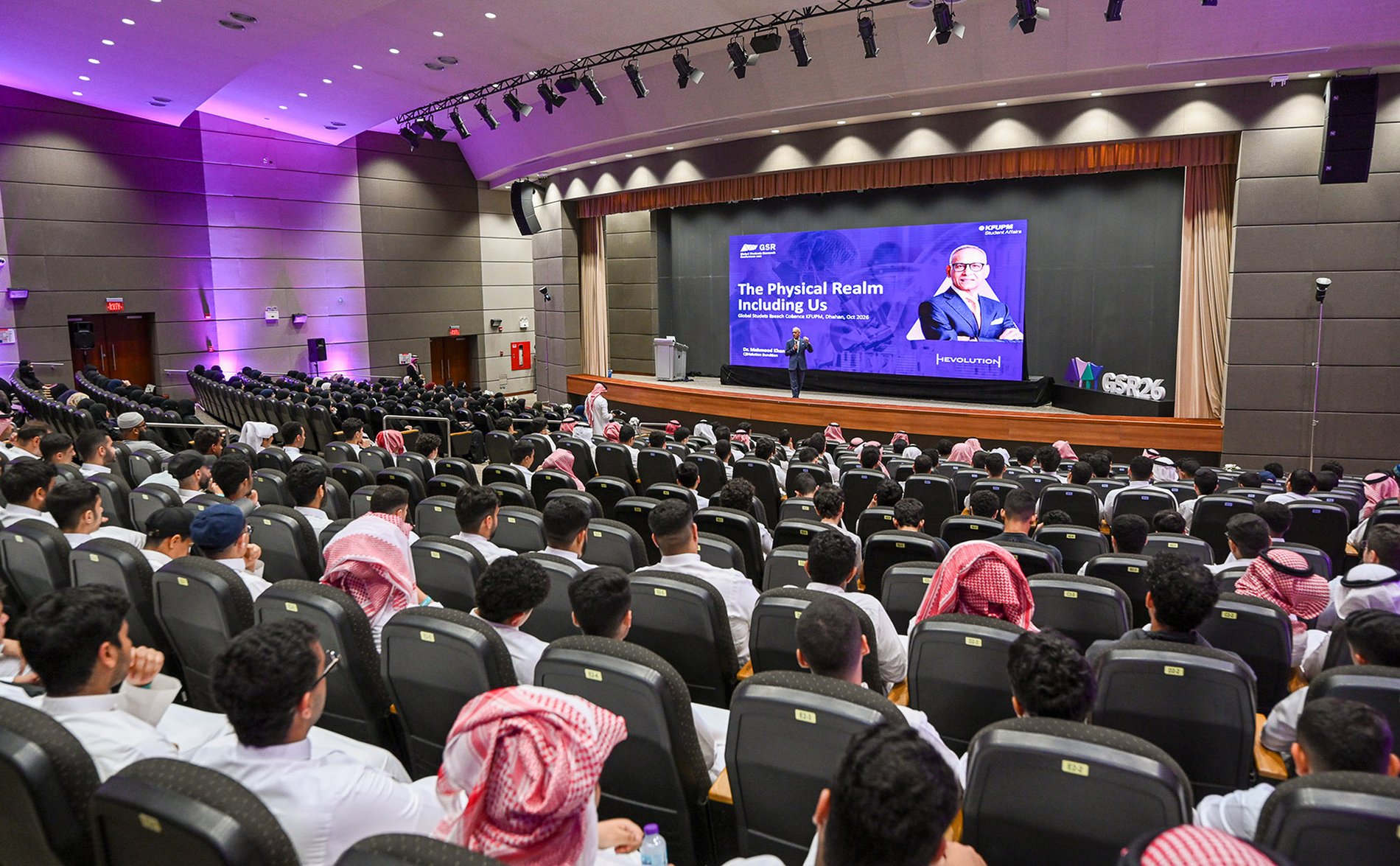
The conference featured 11 distinguished speakers and panelists, including chief executive officers, senior executives, leading researchers, and industry experts representing organizations such as CNTXT, Hevolution Foundation, the Digital Cooperation Organization (DCO), and the Saudi Space Agency. Spanning fields including artificial intelligence, energy, healthcare, space exploration, entrepreneurship, and investment, the keynote sessions and panel discussions connected students with industry leadership, scientific expertise, and valuable perspectives on the future of research and innovation.
This year’s conference also expanded its international outreach through the GSR Research Ambassador Program. The program brought together 88 ambassadors representing 23 countries and 57 universities and educational institutions. Through their university communities, the ambassadors promoted GSR opportunities and helped connect more students and researchers with the conference.
GSR’s 2026 edition built on the success of its inaugural 2025 conference, the first international student-led research conference in Saudi Arabia. Organized by KFUPM students, the conference later won the 2024 to 2025 Best of CASE Asia Pacific Region Award for Student Engagement.
By bringing together research presentations, competitions, workshops, expert discussions, and international engagement, GSR 2026 strengthened the culture of student-led research at KFUPM and demonstrated what students could accomplish when empowered to lead ambitious initiatives.
You May Also Like View all
- KFUPM Research Aims to Store Renewable Power Longer for Less Oct 07, 2026
- Students’ AI Greenhouse Ranks 2nd Out of 250 Oct 04, 2026
- KFUPM Faculty Win Best Abstract Award at EuroMed Conference Sep 30, 2026