Apr 27, 2026
KFUPM Rally Presents Strategic Collaboration Initiatives
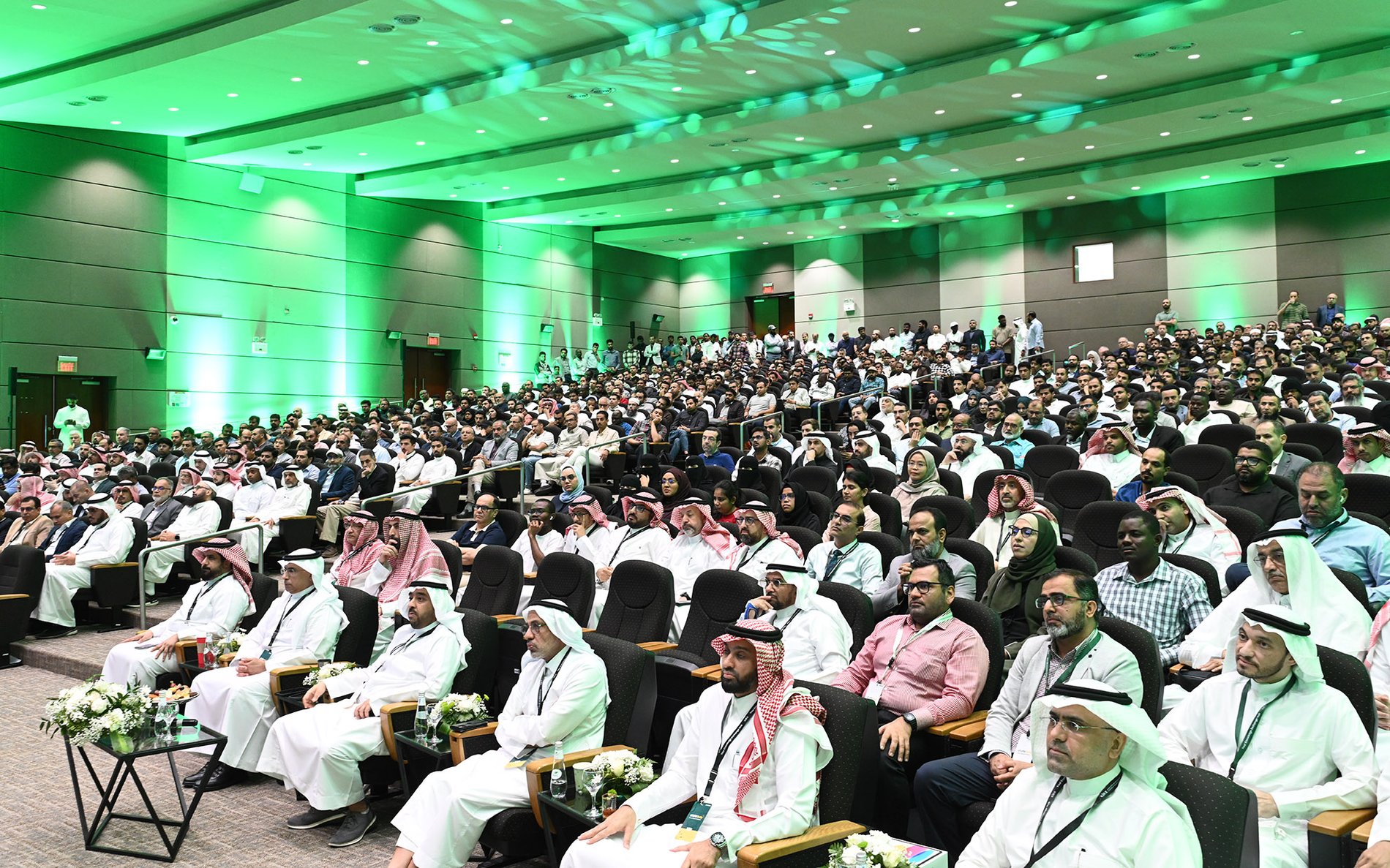
On Monday, April 27th, 2026, KFUPM hosted one of its most awaited events, bringing together College Deans, Department Chairs, and Interdisciplinary Research Center (IRC) Directors for a focused edition of the annual KFUPM Rally. The event opened with remarks from KFUPM President, Dr Muhammad Al-Saggaf, who reiterated the purpose of the rally as a platform to bridge academic research with industry and societal needs, through interdisciplinary solutions driven by increased internal collaborations across disciplines.
Although typically held once a year, this edition took place only five months after the previous rally, indicating increased interest in accelerating collaboration across the university. The event’s scope also changed. Instead of presenting research outputs, the event concentrated on methods that would support such collaborations. Discussions were structured around three central themes: Faculty Engagement and Interdisciplinary Interaction, The Curse of Abundance, and Research to Impact with a focus on reaching TRL levels of 7–9. Within this context, 10 presenters were selected to introduce their ideas, many of which were developed through team-based efforts, with several contributors working within proposal groups.
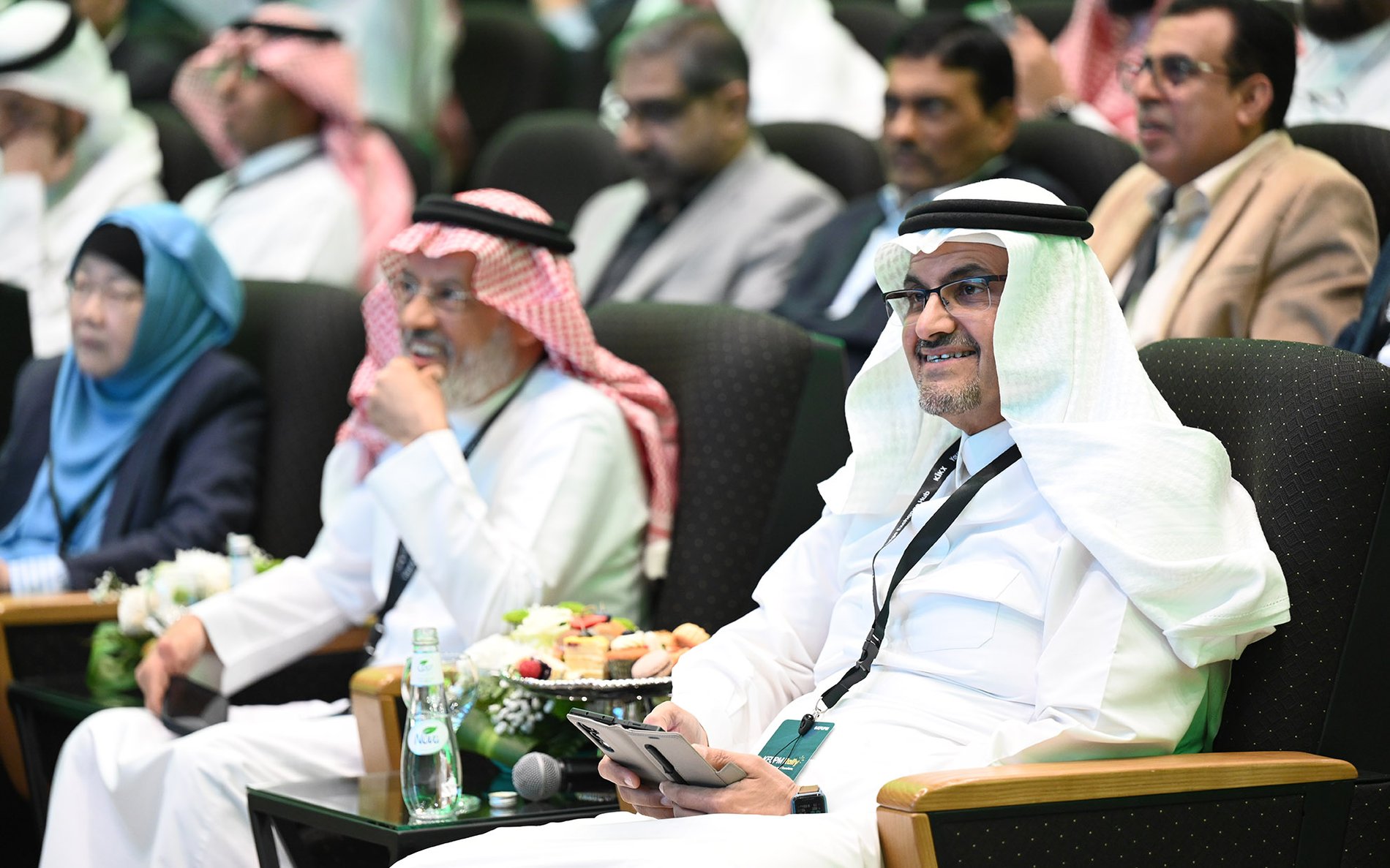
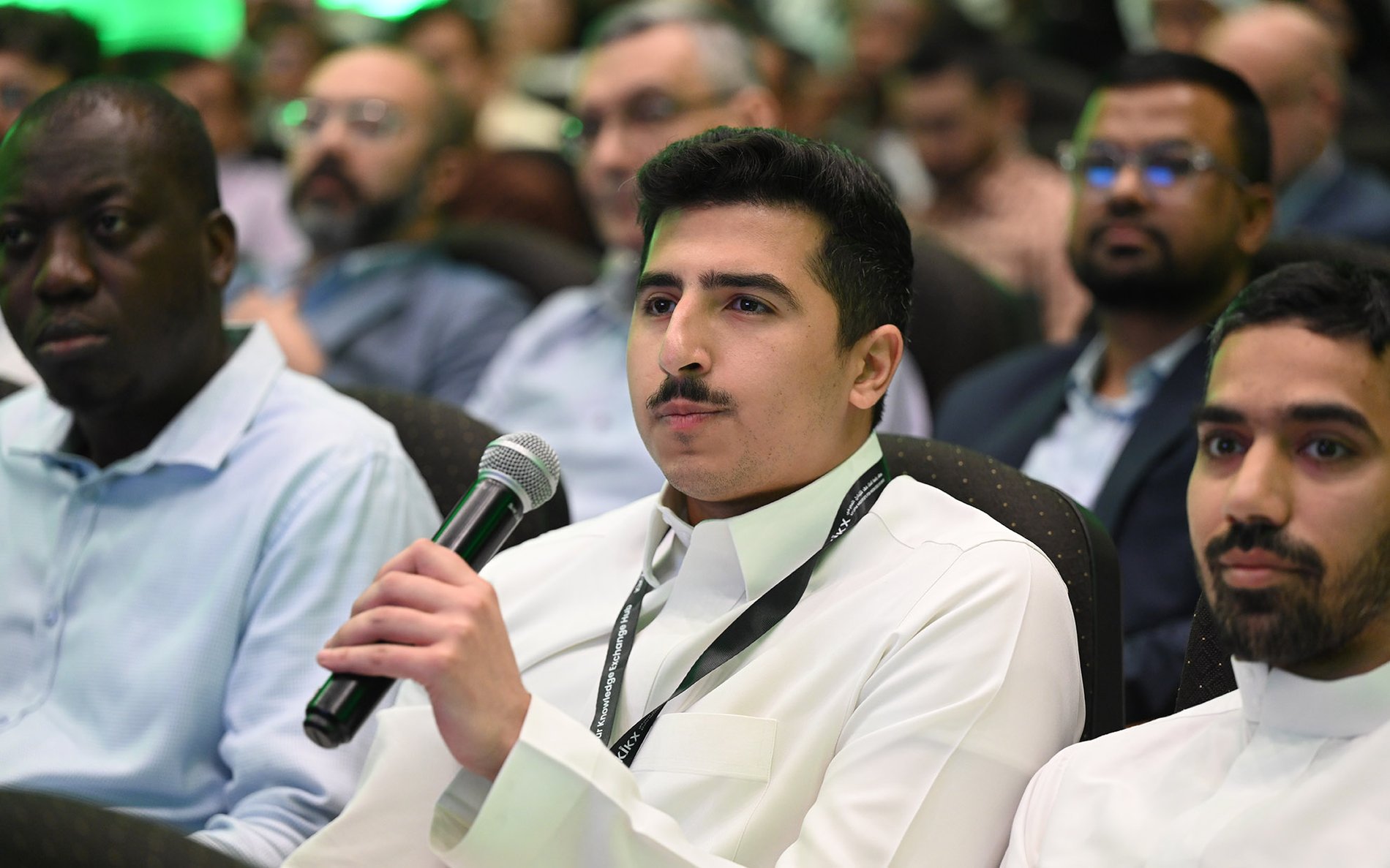
The rally retained its fast-paced format, where each presenter had five minutes to communicate the core of their proposal. At the same time, the format expanded to allow deeper engagement. All ideas were examined, discussed, and debated by attendees, including members of the university’s senior leadership. Conversations addressed both practical and structural concerns, such as motivation, logistics, institutional policies, and supporting systems.
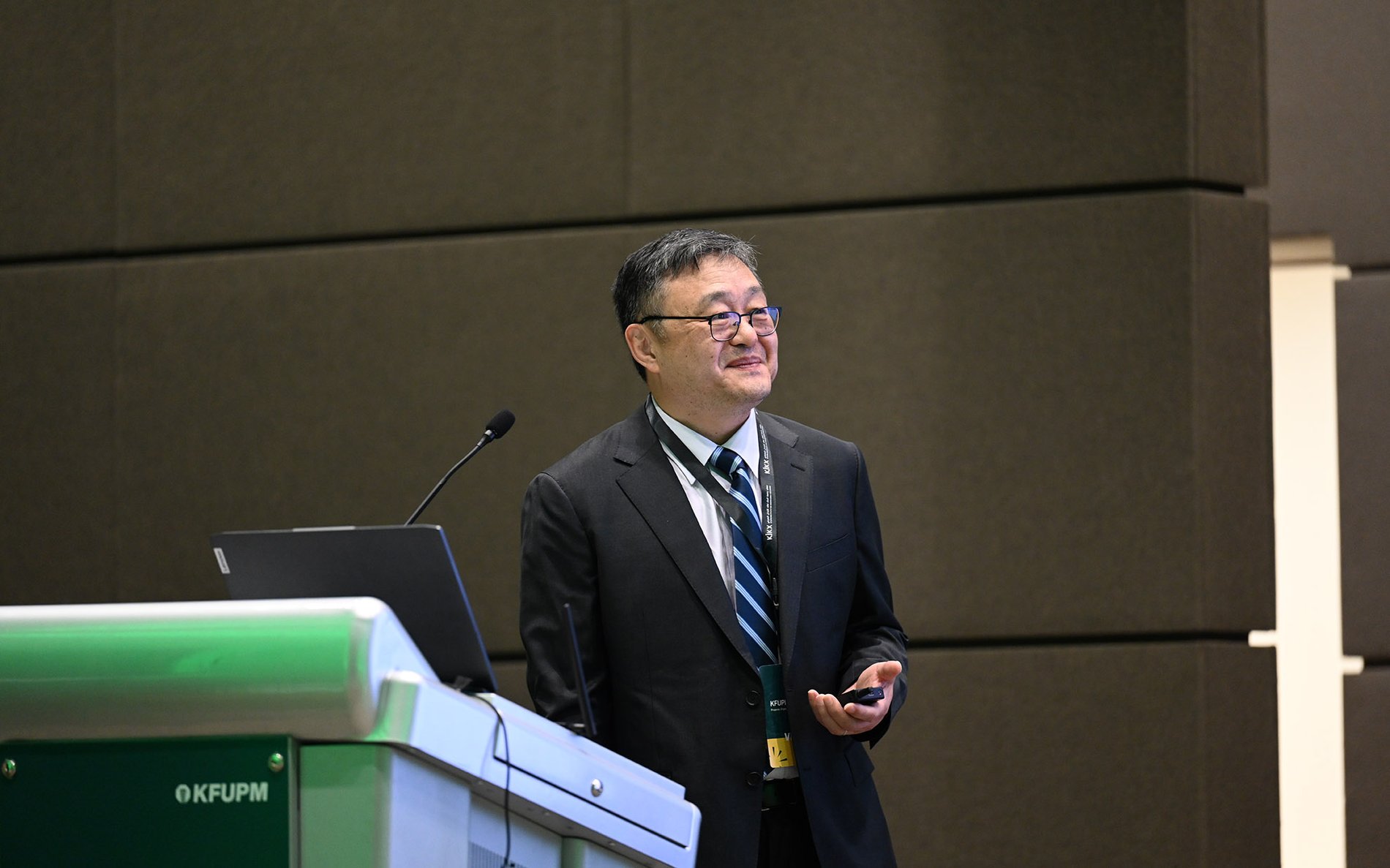
In his proposal titled “Tea Hour” Dr Jie Liu, Chair Professor in the Chemical Engineering Department, addressed several points developed together with 13 colleagues. These included implementing or reutilizing social gatherings, such as regular departmental coffee and tea mornings, alongside rethinking the structure of the rally itself. His suggestions reinforced a point that surfaced repeatedly during the event, namely that meaningful collaboration often starts with informal, personal interactions that help people connect before discussing any research. He explained that low commitment was not a barrier, but that time constraints and logistical challenges might be. Reflecting on the event, he stated, “I saw a common general message that we all want more engagement. I see it even more now than before.”
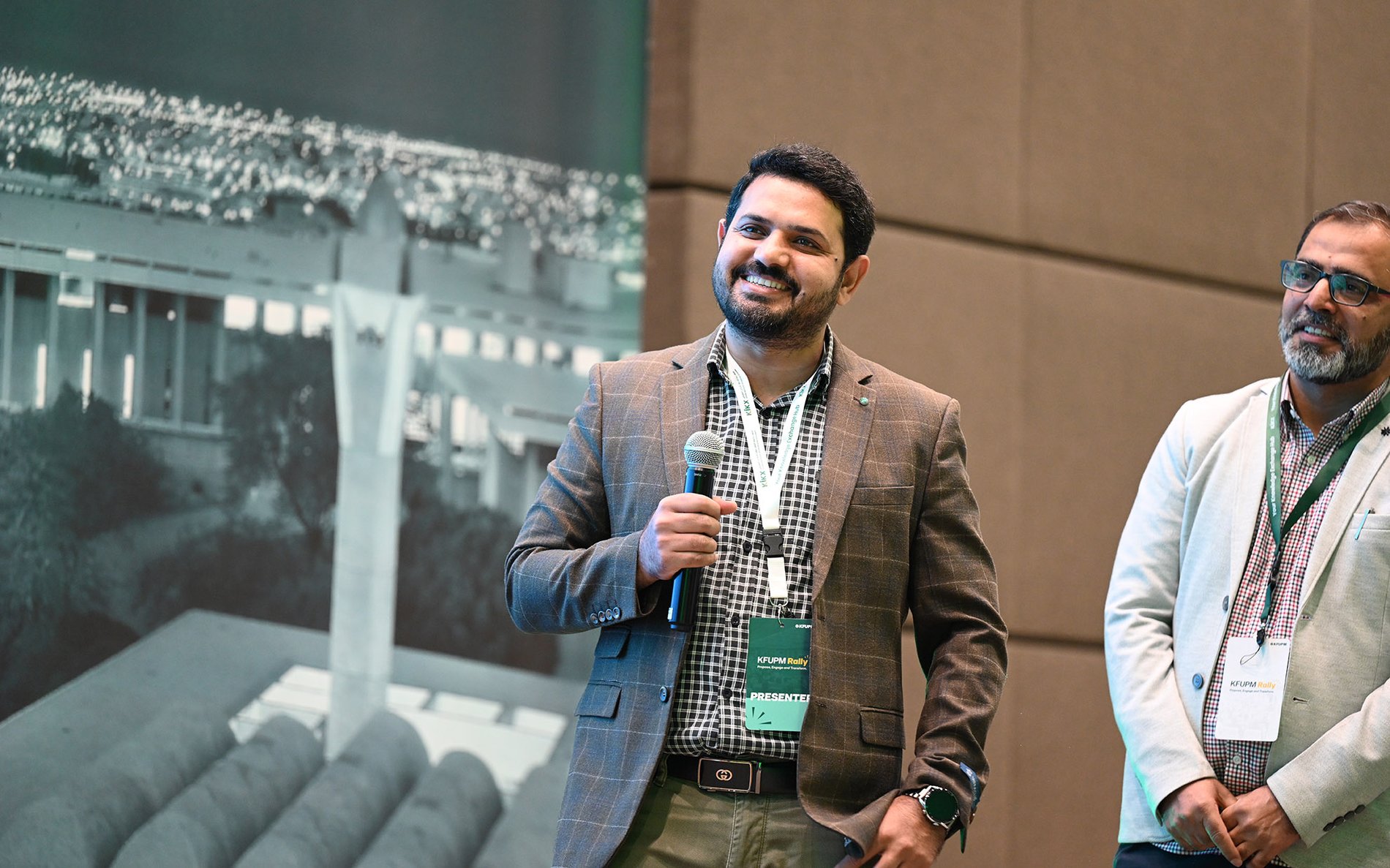
This observation aligned with insights shared by Md Anwarul Hasan, Distinguished Professor in the Bioengineering Department. He and his colleagues examined publication patterns over the past five years, noting that total publications had doubled during this period and prompting a closer look at authorship trends. Their analysis showed that single-author papers declined from 70% to 40%, indicating a rise in collaborative research. At the same time, he pointed to the need for further growth in papers with three or more authors and proposed approaches to support this progression.
Several other ideas also drew strong responses from the audience. These included short-term immersion programs where faculty could spend time within other departments or in industry settings, as well as increased involvement in senior student projects, particularly those featured in the annual TEAM Design Expo. Another proposal addressed the structure of thesis committees. Dr Haitham Alnakar, member of the IRC for Construction and Building Materials, suggested formalizing the inclusion of thesis committee members from outside the primary department, noting that current practices rely mainly on informal guidelines. His proposal aimed to introduce a more structured system that mandates external participation, with the intention of strengthening cross-department collaboration. The idea received wide support from both deans and department chairs. When discussing next steps, he remarked, “Our Department Chair has already agreed to implement the idea, so this is a good step forward.”
Other needs were directly paired with relevant resources during the presentations, as well. Dr Ahmad Sorour, member of the IRC for Advanced Materials, proposed the creation of convergence hubs, which he described as accessible, department-neutral spaces designed to encourage organic interaction among faculty. This idea found a practical counterpart later in the event when Mr Ahmed Nawab, Director of Dhahran Techno Valley (DTV) presented his campus as KFUPM’s second home. He offered the innovation-focused hub as a platform that could support researcher engagement, strengthen connections with industry, and address commercialization challenges raised during the discussions.
Audience participation was another large part of the session, with interactive elements such as trivia, live voting, and a brief scavenger hunt adding to the engagement, alongside an iPad prize for participants. These activities supported the overarching objective of encouraging interaction across groups.
The event concluded with closing remarks from Dr Al-Saggaf, who reflected positively on the presentations. He emphasized that progress depends on reciprocal effort, whether through time or adjustments in convenience. He also acknowledged the range and quality of ideas presented, expressing confidence that they provide a basis for concrete action going forward.
You May Also Like View all
- AJSE Keeps Gaining Momentum After 50 Years Oct 22, 2026
- Edges of Attention Captures Everyday Beauty on Campus Oct 19, 2026
- KFUPM Students Win First Place in Energy Hackathon Oct 15, 2026
- Students Shine at International Case Competition in Norway Oct 14, 2026