Feb 12, 2026
SMILE 2026 Reimagines the Future of Mobility and Logistics
Momentum for innovation was built instantly as the second edition of the International Conference on Smart Mobility and Logistics Ecosystems (SMILE 2026) opened its doors to the 600 registered participants. Held from February 8 to 11, 2026, the conference continued last year’s mission of establishing a national ecosystem for mobility and logistics in Saudi Arabia, focusing on a human-centered philosophy that keeps people at the core of technological progress.
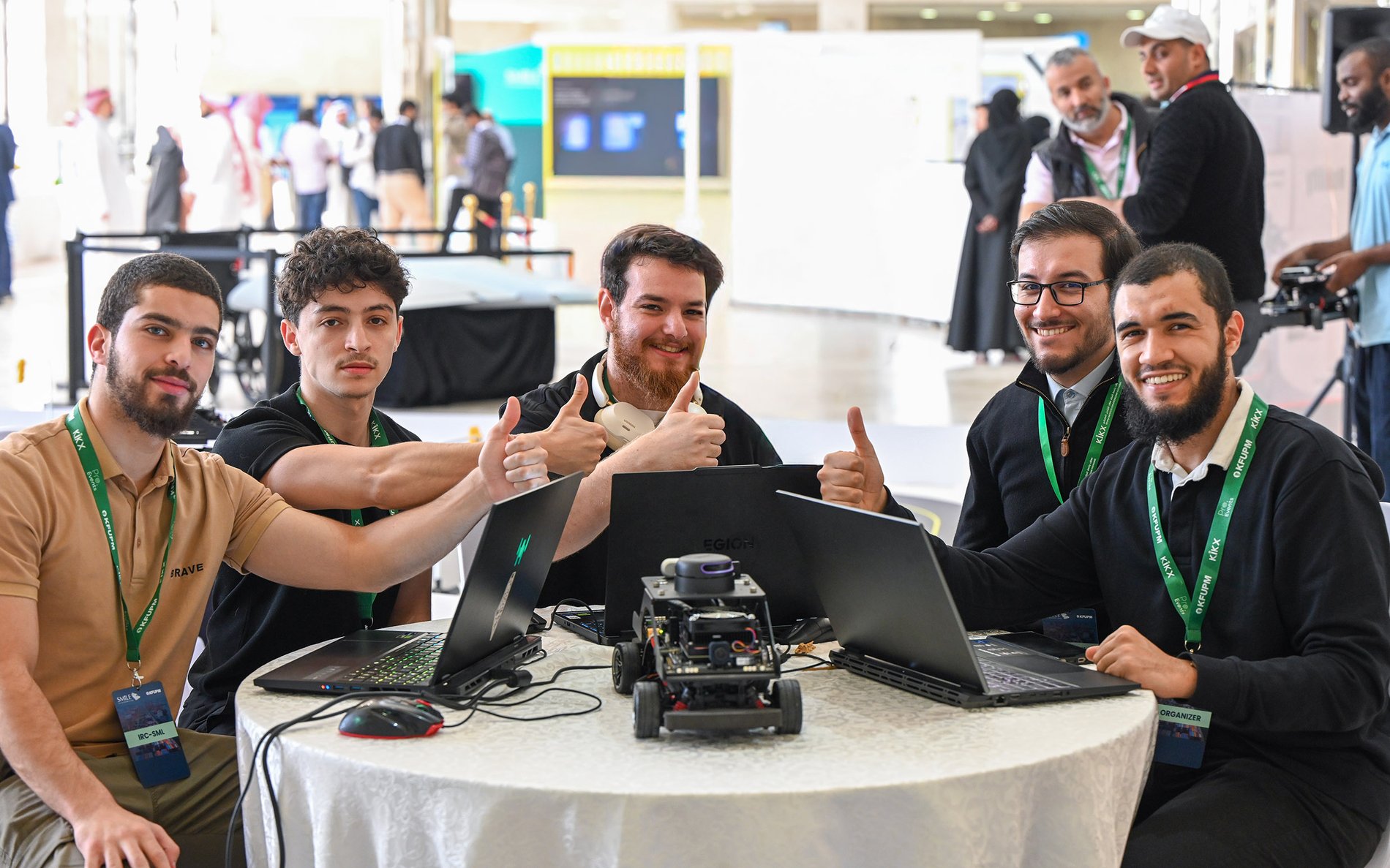
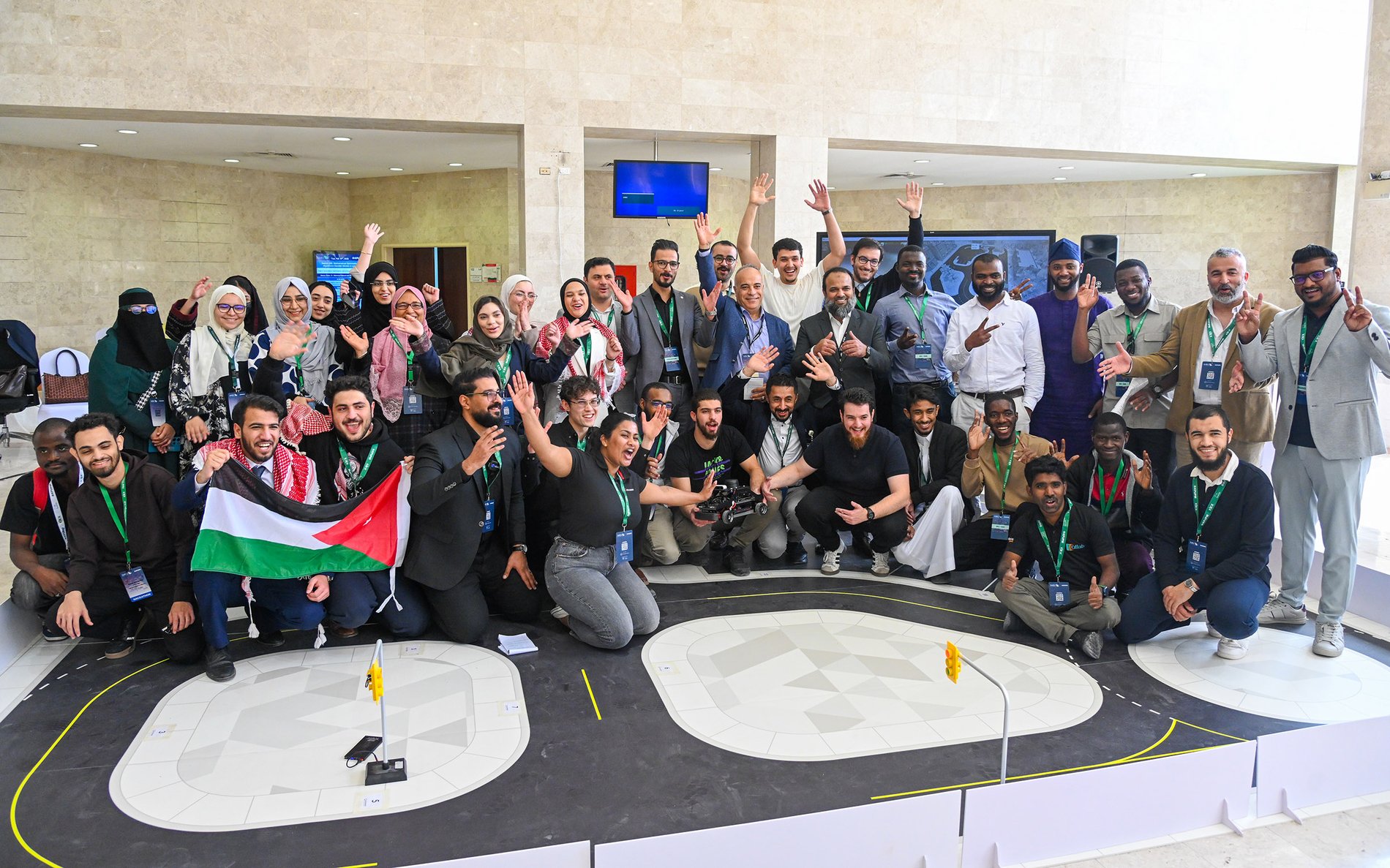
The four-day program was structured to reflect the breadth of the mobility and logistics landscape. It featured technical presentations and workshops, panel discussions, poster sessions, exhibitions, and keynote addresses from researchers and senior industry figures, including long-term KFUPM partners. A racing hackathon added a competitive edge to the agenda, where participants programmed small autonomous cars in an initiative organized by sponsors Quanser and ATLAB in collaboration with KFUPM’s Aerospace Engineering Department.
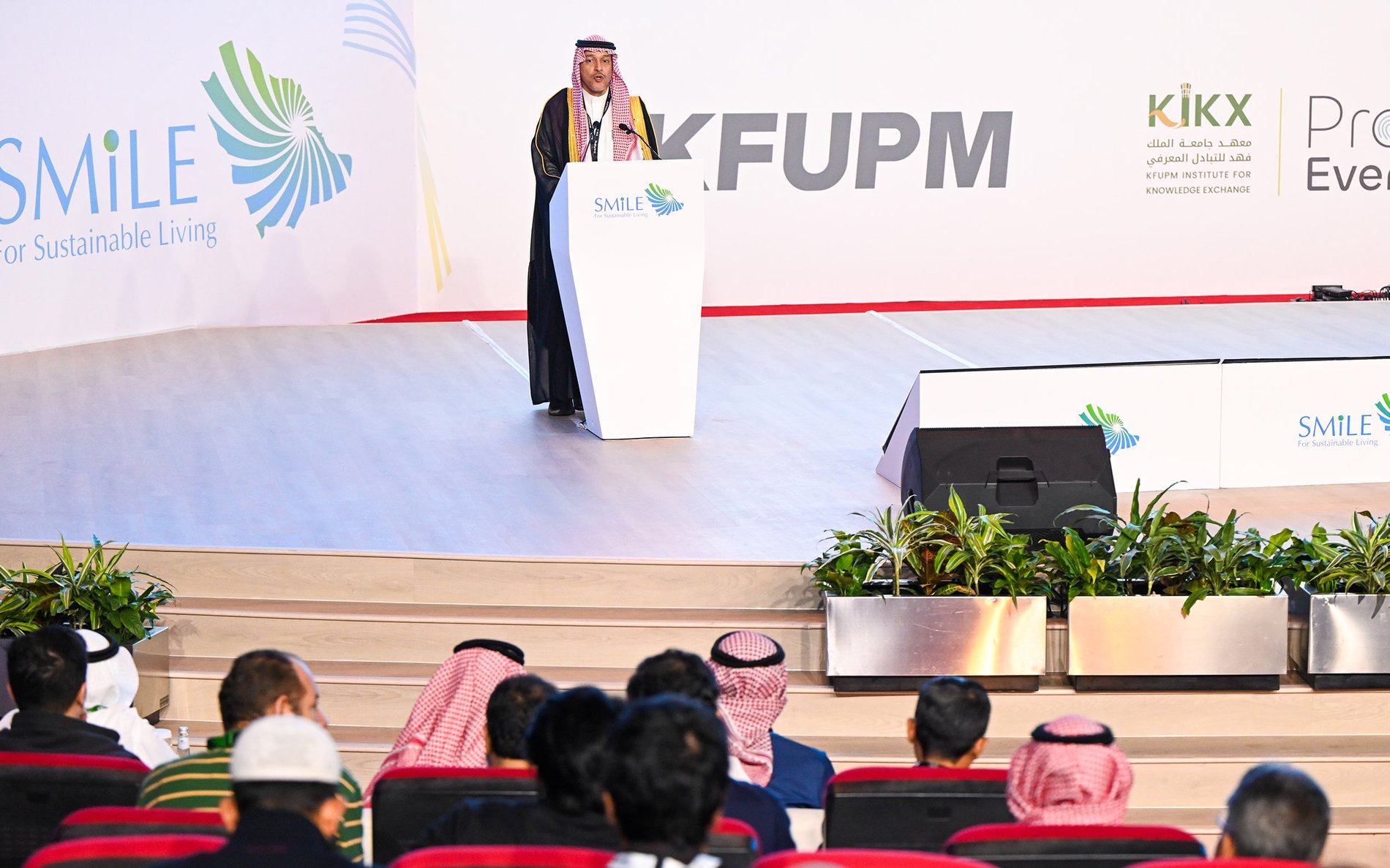
In his opening remarks, Dr Sami El-Ferik, Director of the Interdisciplinary Research Center for Smart Mobility and Logistics (IRC-SML) and SMILE Conference Chair, welcomed attendees, thanked sponsors, and outlined the program’s structure. He also noted the scale of international interest, with more than 200 paper submissions from over 30 countries and more than 100 institutions. Among them, around 110 presentations were accepted across four tracks: Smart and Resilient Transportation Systems; Automation, Optimization, and Innovation in Logistics; Cognitive Cities and Sustainable Transport Ecosystems; and Cognitive Human-Machine Teaming in Mobility and Logistics.
Dr Ali Sheikhi, VP for Research and Innovation at KFUPM, also delivered remarks on behalf of the university’s President, Dr Muhammad Al-Saggaf. In his talk, he reinforced the central theme of the conference, namely that as mobility systems become increasingly autonomous and intelligent, technological advancement must remain aligned with human needs and societal priorities.
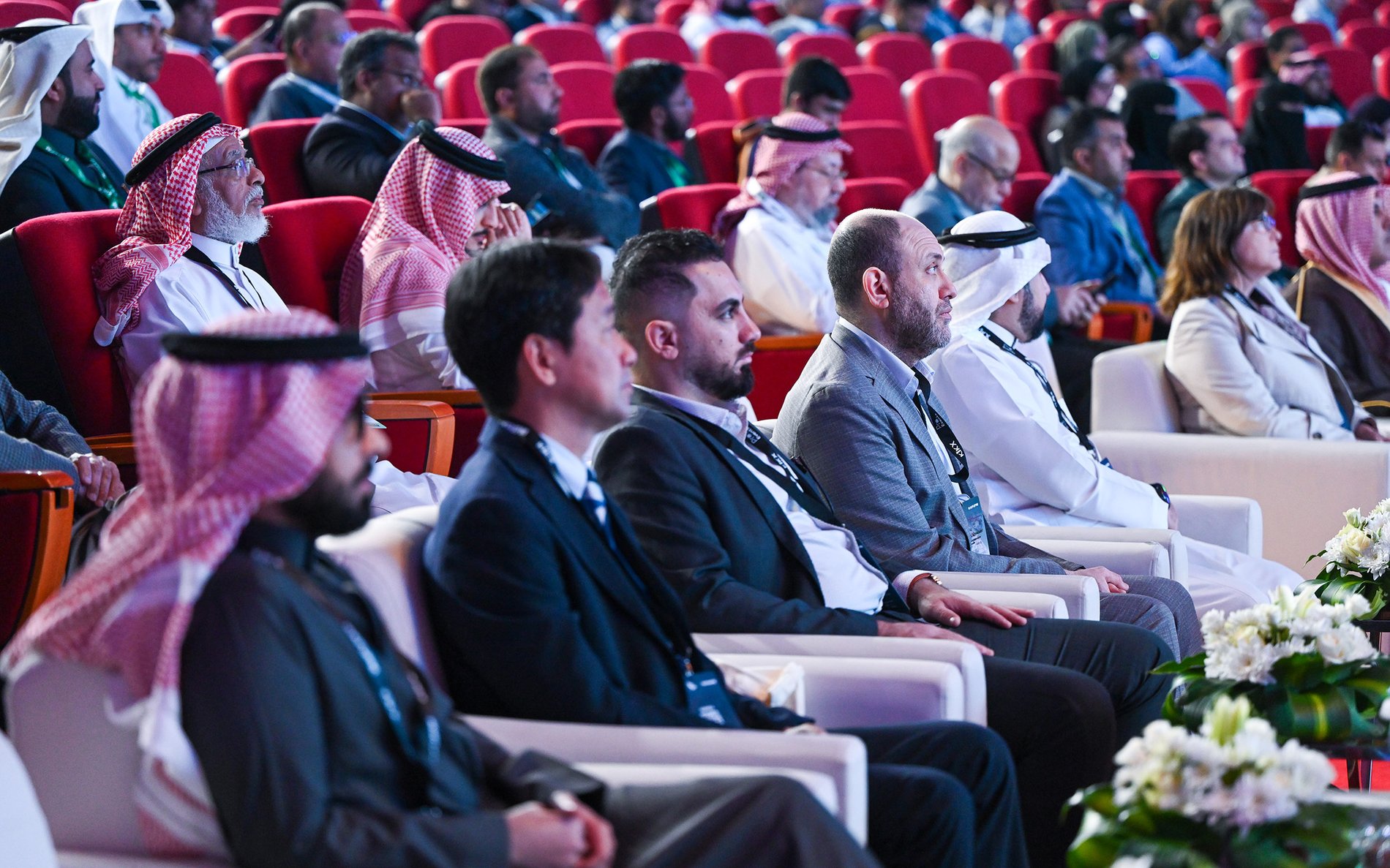
That principle was reflected in both the returning and first-time participants. Many attendees from the first edition came back, including Dr Ansar Yasar of Hasselt University, who supported the organizing committees in planning the conference, moderated a panel discussion, and delivered a keynote address. His continued involvement follows growing collaboration triggered by SMILE 2025, where discussions between KFUPM and Hasselt University’s Intelligent Transportation Lab in Belgium began. Collaboration opportunities also included the Royal Military College of Canada and several other local and international companies. Another notable outcome of last year’s conference was the involvement of the Intelligent Transportation System Society, which led to the establishment of a local chapter for Intelligent Transportation Systems.
A wide range of topics were covered in this edition, as well. Dr Noha Mostafa of The British University in Egypt, a returning participant herself, presented a research project in sustainable agriculture alongside colleagues from other countries, covering several disciplines altogether. The project examined agricultural digitization through the lens of circular economy principles and the economic realities of developing countries. It demonstrated how mobility and logistics intersect with sectors not traditionally viewed through that lens, and why these systems must be approached from technical, environmental, and economic perspectives simultaneously.
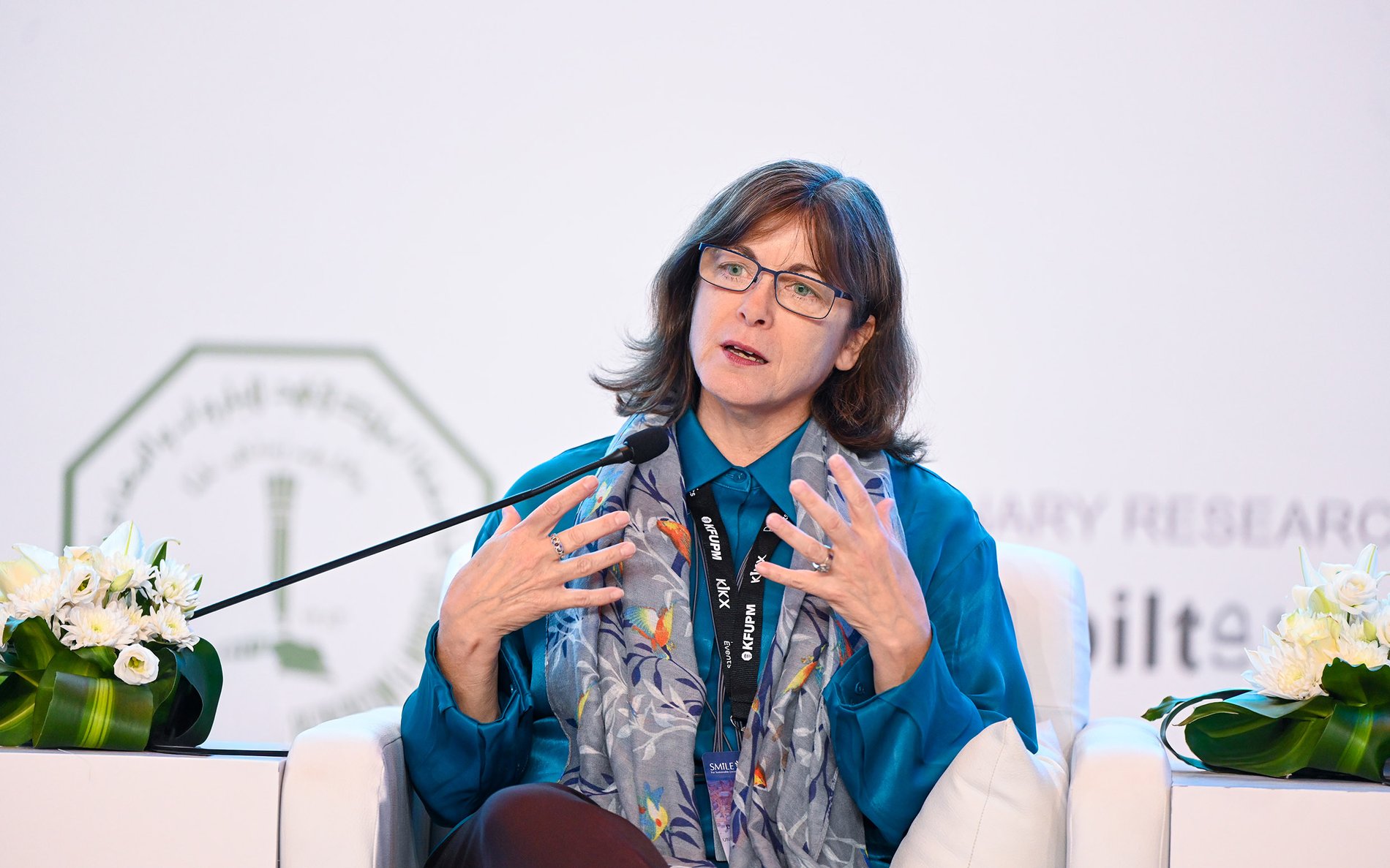
As her colleague, Dr Amira Elnokaly from the University of Lincoln in the UK, put it, “logistics is no longer just about moving materials from one place to another; it's a cornerstone of a carbon neutral industry.” For Dr Amira, SMILE 2026 marked her first visit to Saudi Arabia in more than 30 years. She was pleasantly surprised by the nation’s recent developments and said the strong feedback she had heard about the conference motivated her to attend.
Her sentiment around the topic of mobility reflected a consensus among participants, including Dr Sami, who explained that the evolution of the IRC-SML was based on the understanding that “smart mobility and logistics is a large umbrella of research, not one particular narrow area of focus. It requires interdisciplinary research, multiple departments involved, and diverse expertise.”
Artificial intelligence emerged as another common theme throughout the conference. Discussions addressed both its potential and its limitations. While some industries, such as manufacturing, have implemented AI with clear governance frameworks and measurable gains, others remain cautious. Sectors like pharmaceuticals and food production operate under strict safety standards that have yet to fully integrate AI-driven systems, reflecting the complexity of deploying advanced technologies in highly regulated environments.
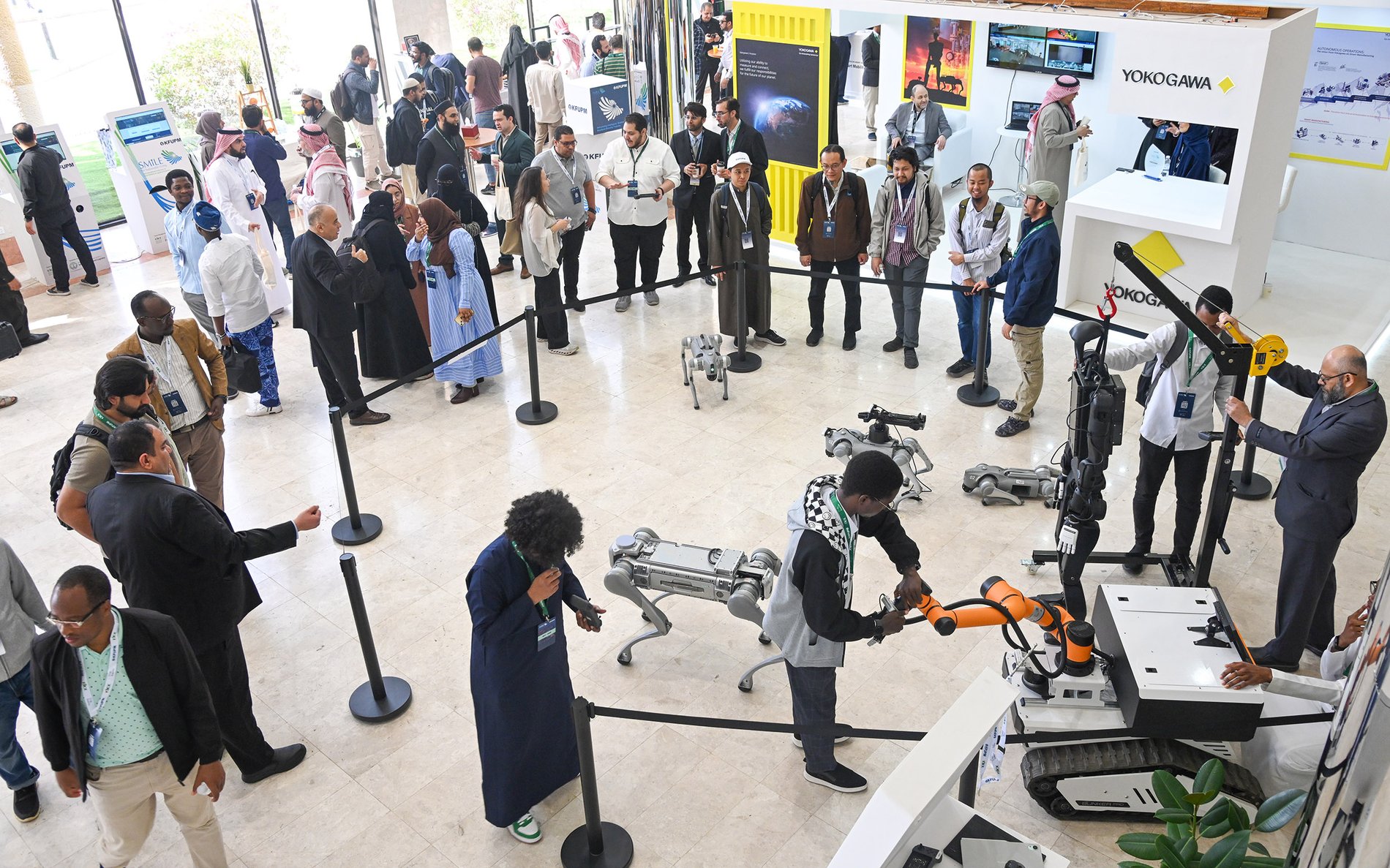
Industry participation reinforced the applied dimension of the conference. Yokogawa, a long-term KFUPM partner, contributed to the discussions through their exhibition booth as well as talks from company representatives, such as Saptarshi Bhowmick, Head of Digital Enterprise Solutions Sales. Saudi Arabia Railways representatives, including KFUPM alumnus Ahmed Ibrahim, also brought their insights, highlighting national efforts in the field of mobility and logistics.
Across sessions and informal exchanges, SMILE 2026 functioned as a meeting point for both experts and young talents to identify shared priorities and new avenues for collaboration. Partnerships initiated during the first edition have already translated into sustained dialogue and institutional outcomes. Looking ahead, Dr Sami foresees similar results, emphasizing the strategic importance of such gatherings within the context of national ambitions: “We have large aspirations with Vision 2030 and we need to jump to step up to the challenge. But the first step is to prepare the ecosystem by bringing people together… government representative, researchers, as well as students in order for them to start talking about mobility so that this vision of the future can happen.”
You May Also Like View all
- Eid Al Fitr Brings the KFUPM Community Back Together Mar 25, 2026
- Celebrating the Spirit of Ramadan: Ghabga 2026 Mar 05, 2026
- Engineering Triumph on the Global Stage Mar 04, 2026
- Strategic Excellence on the Global Consulting Stage Mar 03, 2026