Jun 14, 2026
Inside the Research Center Powering Hydrogen Innovation
Across KFUPM’s laboratories, researchers are pioneering transformative technologies that address some of the world’s most pressing energy and environmental challenges. From developing innovative carbon management solutions to advancing next-generation materials, processes, and clean energy technologies, their work is accelerating the transition toward a low-carbon emission and clean energy future. At the forefront of these efforts is the Research Center for Hydrogen Technologies and Carbon Management (IRC-HTCM), a multidisciplinary center of excellence that drives scientific discovery, technological innovation, and industry-relevant solutions in hydrogen technologies, and carbon management, contributing to a more resilient and environmentally responsible energy future.
The center holds an ambitious vision to become an internationally recognized research center in the field of hydrogen technologies and carbon management. To support that mission, IRC-HTCM has built an integrated research ecosystem composed of 12 laboratories spanning the full hydrogen value chain. The center’s work extends from hydrogen production and storage to carbon capture, combustion technologies, advanced materials, safety systems, and industrial process optimization.
Researchers at IRC-HTCM focus on transforming early-stage scientific ideas into commercially-ready solutions that can ultimately be adopted by industry players. This is made manifest through Neo-Sorb, a spin-off born directly from IRC-HTCM laboratories and one of the center’s most notable success stories. The initiative emerged from research focused on developing a solid-state sorbent material capable of capturing carbon dioxide from industrial processes. The technology is being advanced toward demonstrating carbon dioxide capture from industrial emission streams at the kilogram scale, highlighting its potential to contribute to future large-scale carbon management and decarbonization efforts.
Strategic collaborations with leading scientists and institutions have been instrumental in shaping IRC-HTCM’s research vision and advancing its scientific excellence. One of the center’s most distinguished affiliations was with Nobel Prize-winning chemist Omar Yaghi, who served as Chemistry Chair Professor at KFUPM between 2011 and 2019.
The center's impact is reflected in its remarkable research and innovation portfolio. Between 2011 and 2025, IRC-HTCM researchers published more than 1,400 peer-reviewed articles and generated over 200 patents, highlighting the center's role in advancing scientific discovery while translating research into tangible technological solutions.
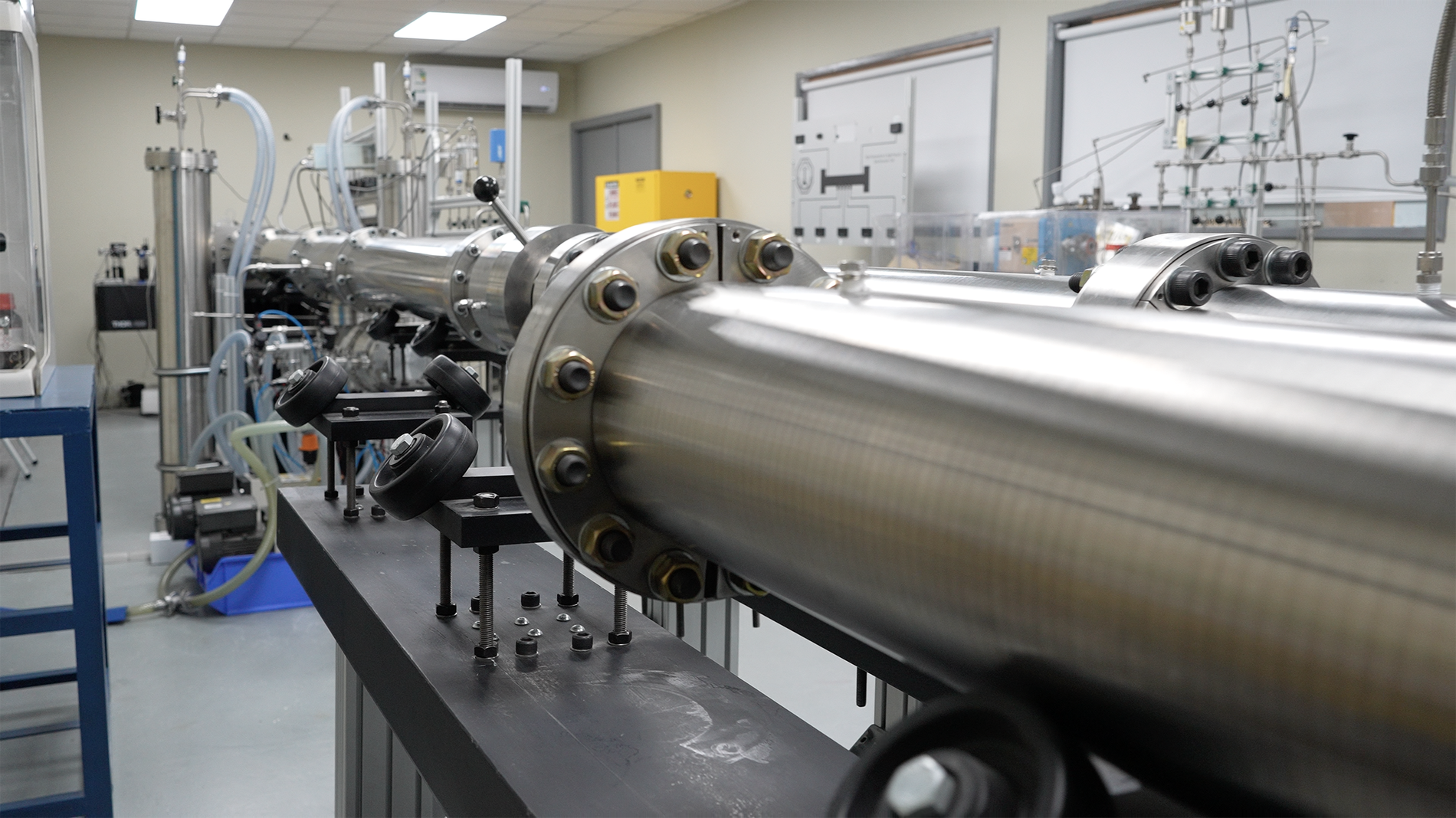
Beyond its research publications and intellectual property portfolio, IRC-HTCM has developed a strong foundation of advanced research infrastructure that enables scientific discovery and technological innovation. A distinguishing feature of the center is its ability to design, develop, and commission specialized experimental facilities in-house, leveraging the expertise of its researchers, engineers, and graduate students. Among these facilities is the Clean Combustion Laboratory, also known as the Shock Tube Facility, a state-of-the-art research platform designed and assembled at KFUPM to support advanced studies of combustion processes and reaction kinetics under extreme operating conditions. The center has also developed a novel pyrolysis reactor within its laboratories, providing a promising pathway for cleaner hydrogen production through innovative process design and integrated hydrogen separation capabilities. These in-house designed and developed research platforms not only strengthen the Center’s experimental capabilities but also showcase its expertise in creating advanced technological solutions for energy and environmental challenges.
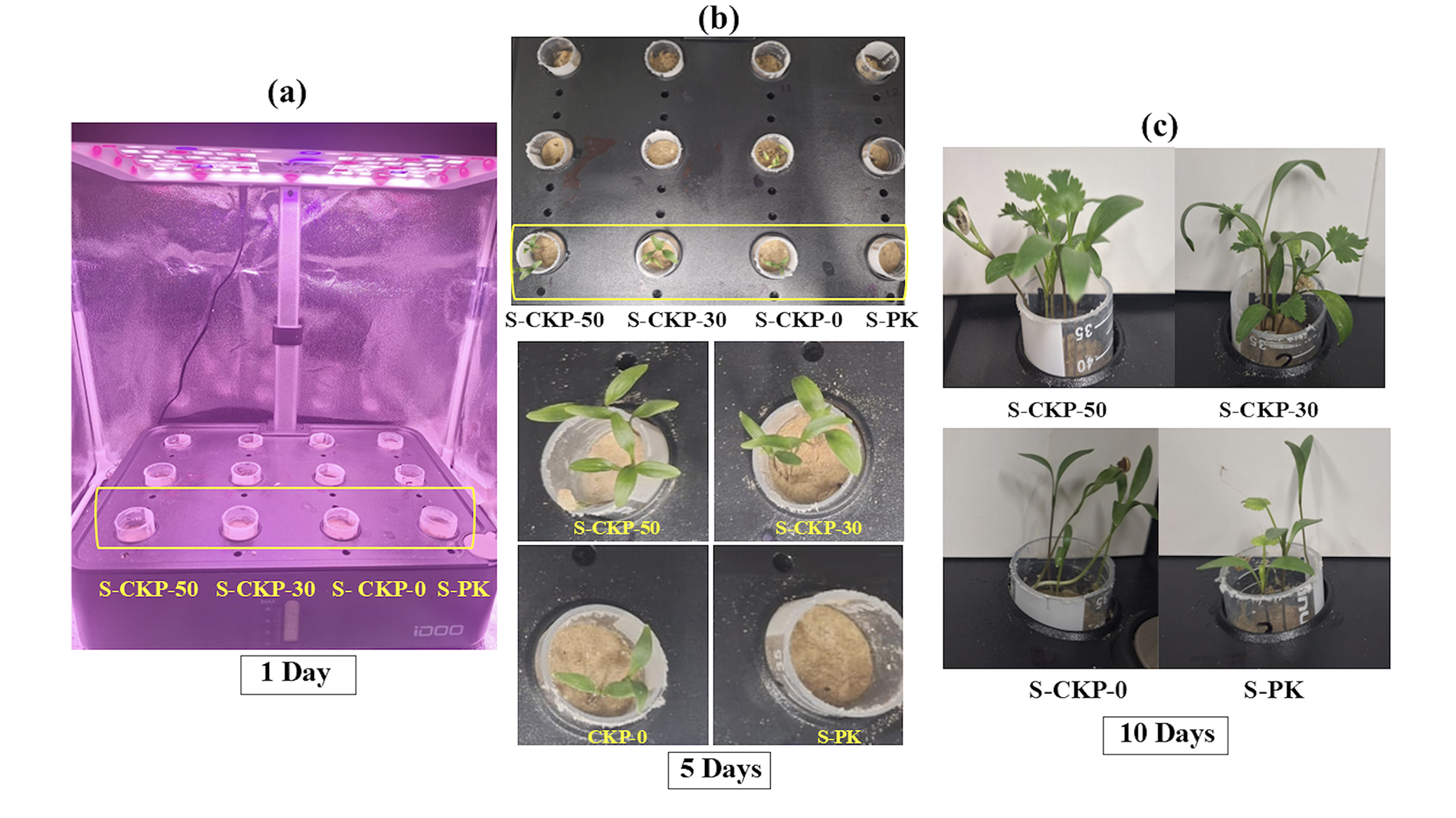
The center is also exploring unconventional approaches to carbon management including projects inspired directly by the surrounding environment. Among the more innovative concepts under development is a project researchers describe as an attempt to transform desert sand into a carbon sink.
The idea involves mixing sand with amine-based materials capable of capturing carbon dioxide directly from the atmosphere. Beyond carbon capture, the material also functions as a fertilizer, potentially enabling captured-carbon sand to be reused in agricultural applications.
As hydrogen technologies move closer to large-scale deployment, safety remains one of the sector’s most critical challenges. To address that issue, IRC-HTCM researchers are developing specialized materials capable of visibly changing color when exposed to hydrogen. These materials could be coated onto hydrogen infrastructure such as pipelines and facilities, allowing leaks to be detected instantly through visible color changes, presenting a simple but potentially transformative safety solution for future hydrogen systems.
Through projects that combine advanced materials, combustion science, carbon capture, safety engineering, and industrial scalability, IRC-HTCM continues to position itself as one of Saudi Arabia’s leading research platforms in the future energy landscape.